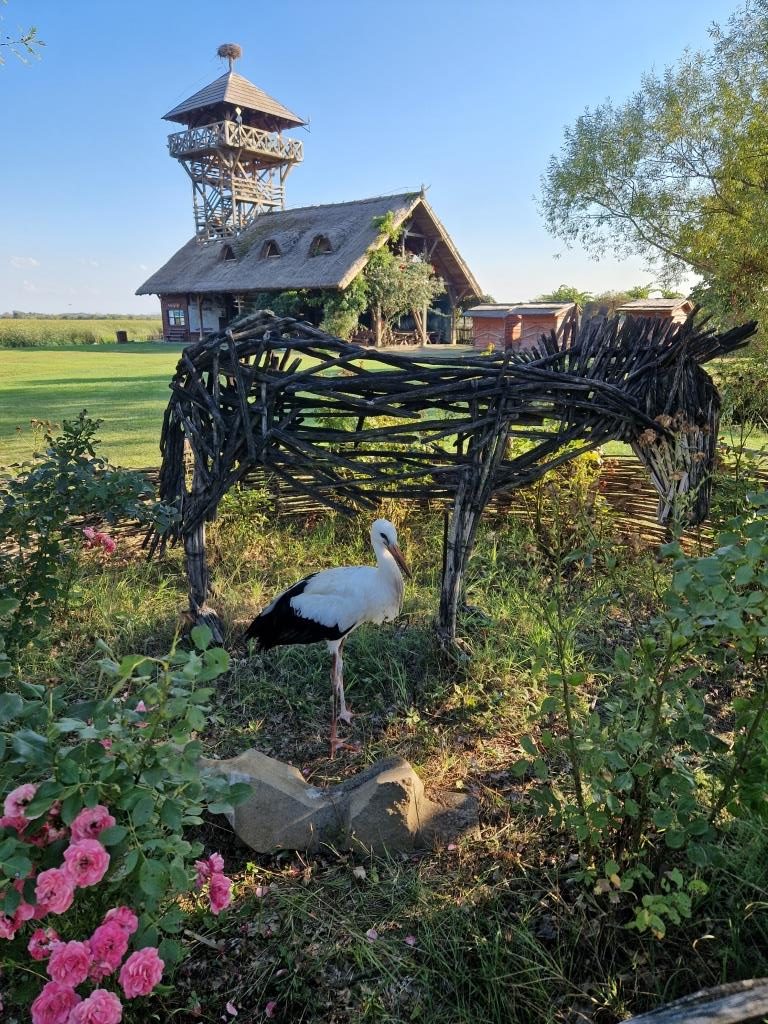
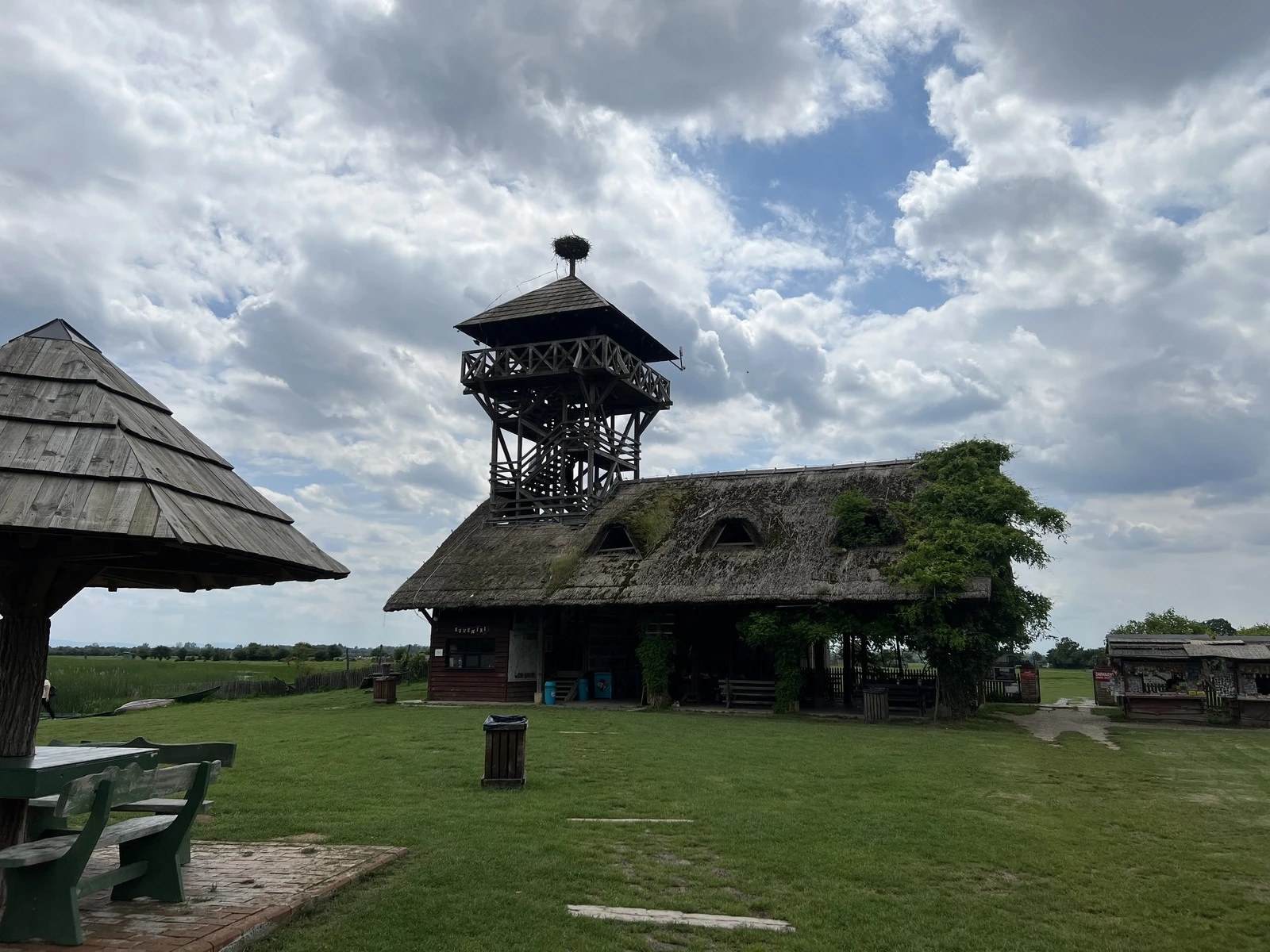
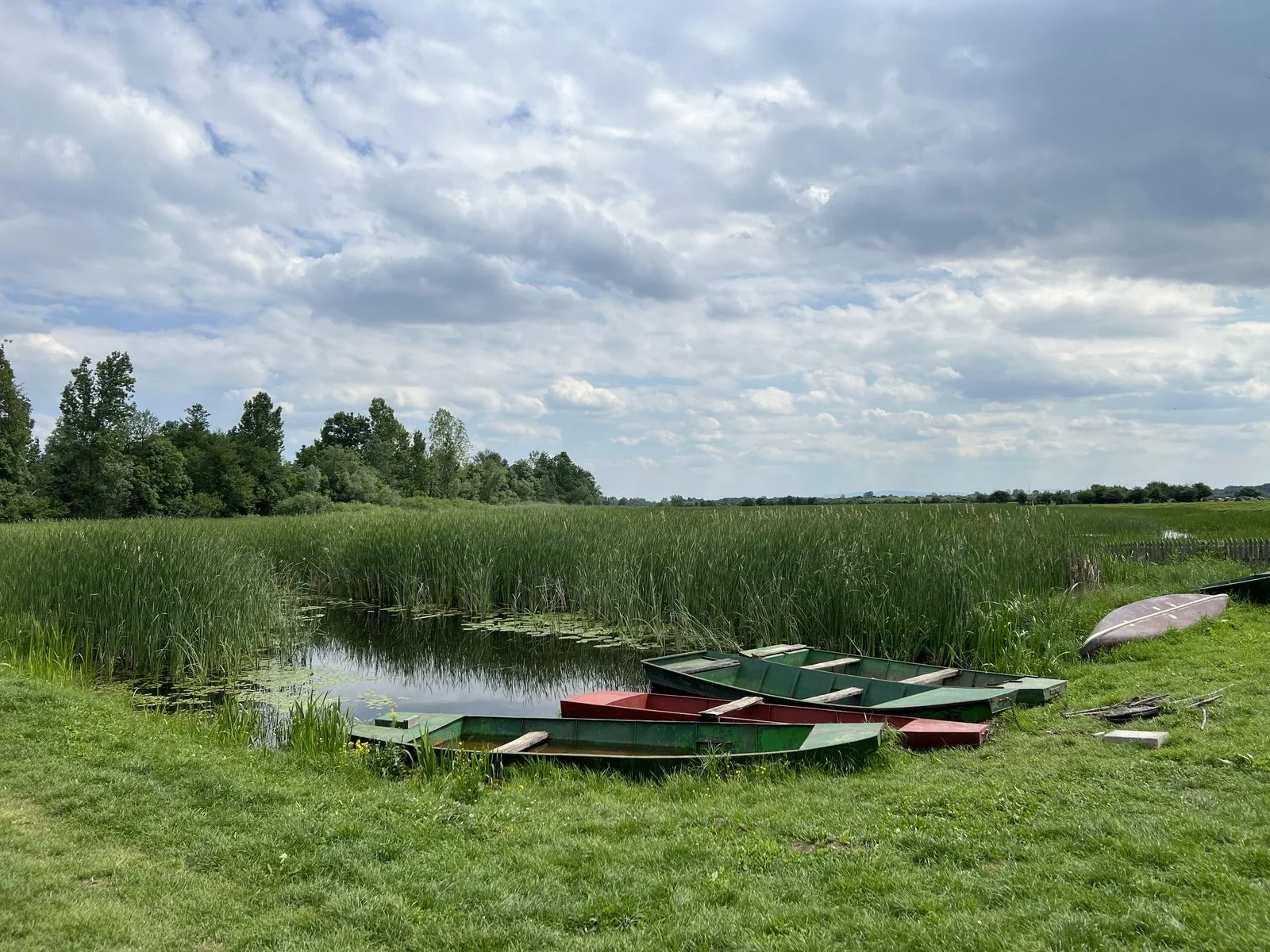
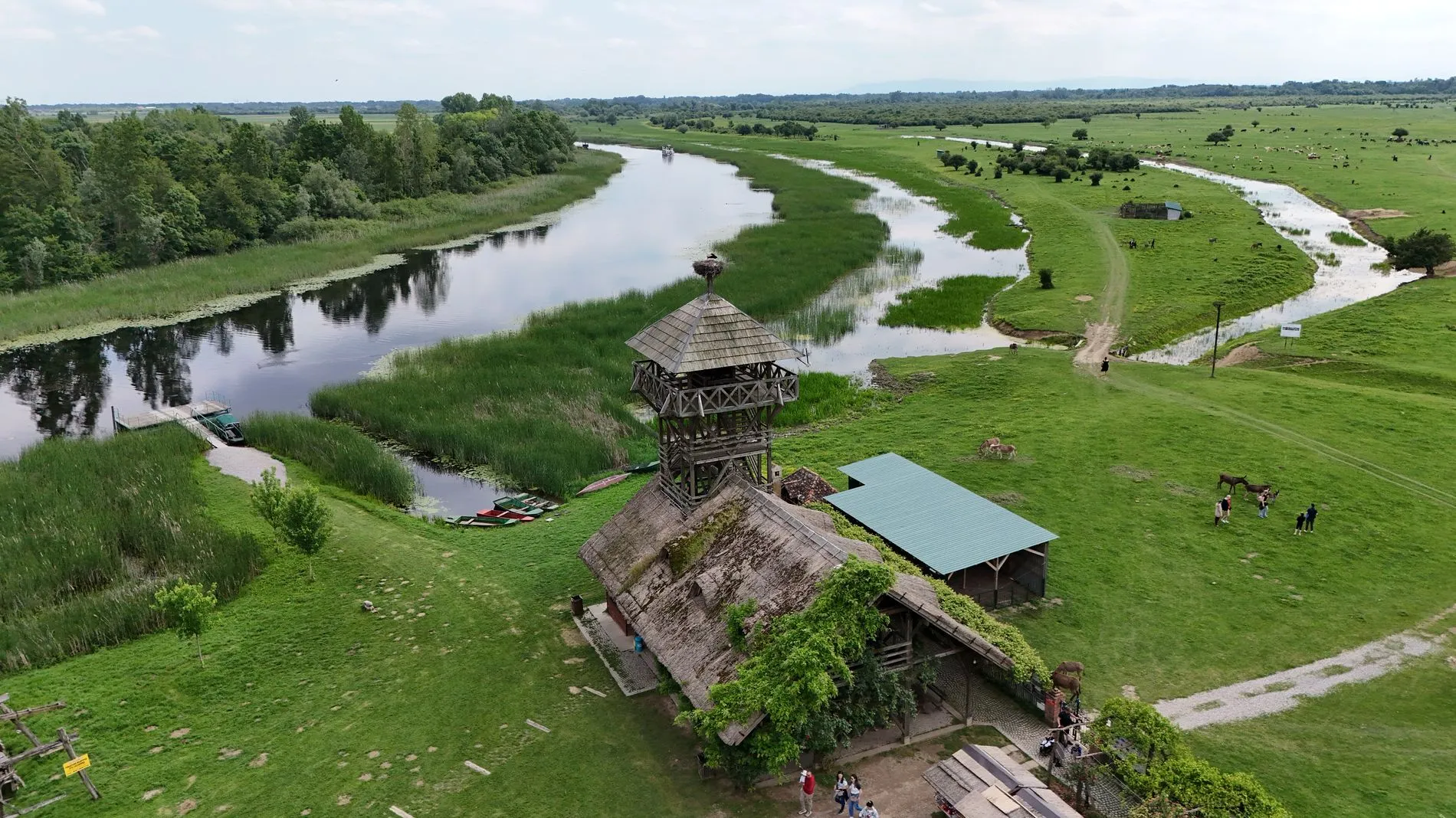
The Zasavica Special Nature Reserve is one of the most important protected wetland areas in Serbia, known for its rich flora and fauna, as well as rare plant and animal species.
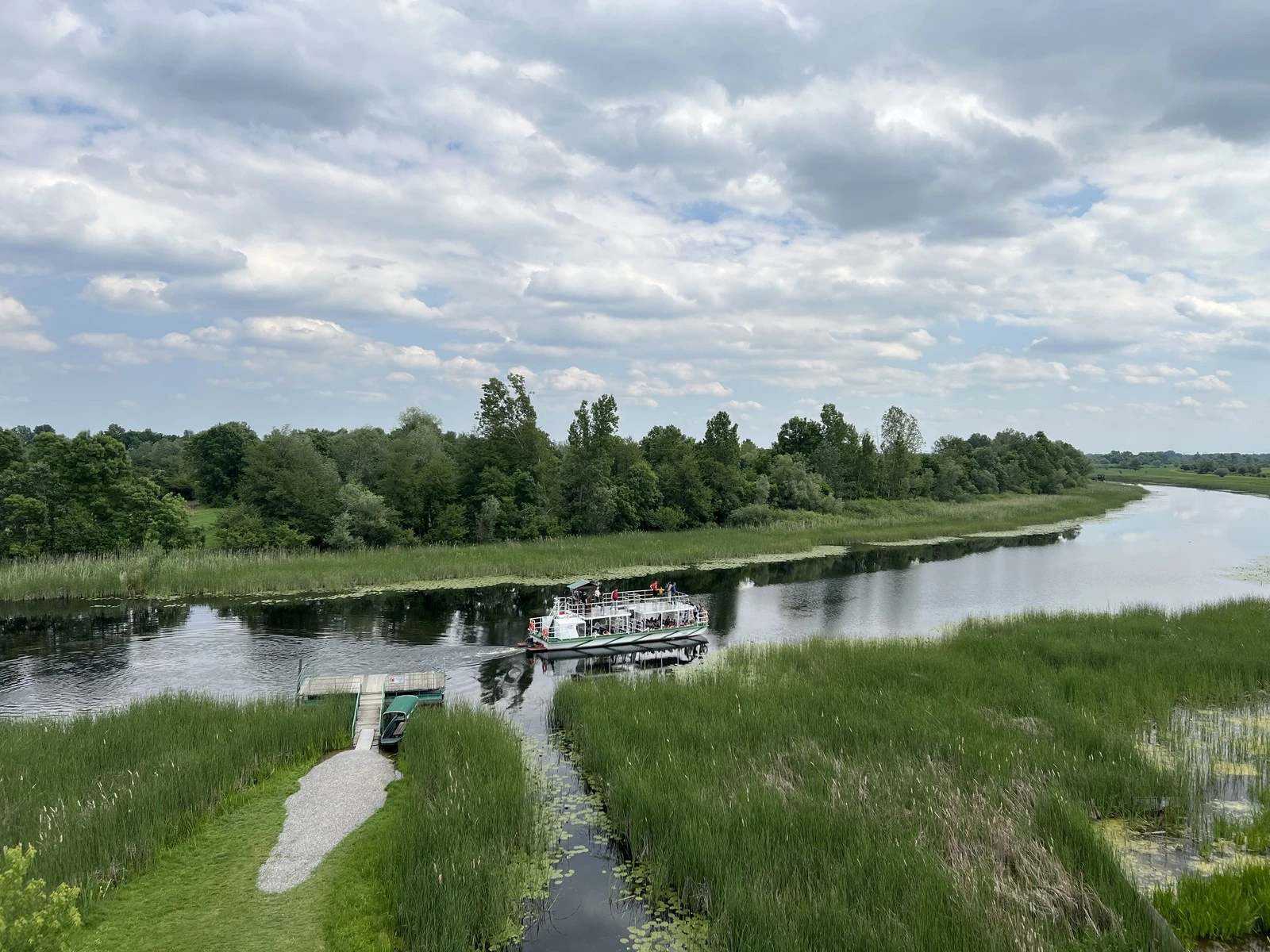

Beaver activities in the Special Nature Reserve of Zasavica Lake
Beaver activities in Zasavica: builders of natural wonders
The Zasavica Special Nature Reserve boasts an exceptional biodiversity of aquatic organisms, with 234 phytoplankton taxa and numerous invertebrates that serve as bioindicators of water quality. The conservation of these ecosystems is crucial because many habitats have disappeared due to the drainage of wetlands and the conversion of meadows into arable land, while Zasavica remains a unique oasis for endangered species.

Beaver activities
in the Special
Nature Reserve
Zasavica Marsh
The presence of beavers in Zasavica is evident through their impressive structures – dams and mounds – which not only shape the flow of water but also enrich the biodiversity of the local ecosystem. At the confluence of the Batar tributary, in the Crkvine-Bakreni Batar area within the cadastral municipality of Radenković, there is a dam measuring 30 meters in length and 1.8 meters in height, with 0.8 meters of it rising above the water level. This dam is more than just an ordinary barrier to flow –It creates calm pools, helps preserve wetland habitats for numerous waterbirds, fish and amphibians, and makes it easier for the beavers themselves to build their lodges and shelters.
In 2007, beavers demonstrated exceptional construction skills and tirelessly expanded their network – they built three more dams, bringing the total number of dams in this area to four. The longest dam now reaches an impressive 50 meters, incorporating approximately 30 m³ of wood. Such a quantity of wood demonstrates how diligent, precise, and organized beavers are, carefully selecting branches and trunks toensured the stability and longevity of their structures. Each dam is a carefully designed structure that retains water, regulates its level, and creates optimal living conditions for beavers and other animal and plant species that depend on wetland habitats.
Beaver activities are not limited to building dams. They carefully plan their lodges, which serve as shelters and breeding sites. The lodges are made of branches, wood, and soil, and are often located in the water itself, which allows beavers to further protect the entrance from predators. The entrance to the lodge is underwater, and the interior includes several chambers and auxiliary „storerooms“ for storing wood and food. These structuresThey are true examples of natural engineering, where every detail is functional and adapted to life in an aquatic environment.
Building dams and lodges is a year-round activity for beavers. Although they are most active during the evenings and nights, their daytime activities include the constant maintenance and expansion of their structures. Beavers are particularly diligent before a change in the weather; a few hours before a storm, they have been observed to intensively inspect and repair their dams and lodges. Branches and leaves are carefully placed over the entrance openings, thus ensuringadditional protection and control of water flow. This natural instinct shows how beavers intuitively recognize and react to environmental changes, thereby indirectly helping other species in their surroundings.
Beaver dams have multiple ecological values. They retain water during drier periods, prevent rivers from flowing too quickly, create lakes and marshes, and enable a diversity of flora and fauna. Fish and amphibians use calm pools for spawning and growth, while birds come to feed and nest nearby. The flora along the dams becomes richer, as the increased soil moisture allows for the growth of variousaquatic and wetland plant species. In this way, beavers become key guardians of ecosystems, natural engineers who shape the landscape and increase the resilience of the environment to climate change.
Beaver activity in Zasavica also contributes to education and tourism. Observing their work allows people to better understand ecological processes and the importance of conserving aquatic habitats. Each dam and mound tells a story of diligence, instinct, and the perfect adaptation of the animal world, while at the same time reminding us of the harmony that humans can establish with nature if they respect its laws.
In short, the presence and activities of beavers in Zasavica are an impressive example of natural engineering and biodiversity conservation. Their dams, mounds, and constant activity shape the landscape, retain water, enrich habitats, and enable the survival of numerous plant and animal species. Thus, beavers not only build their own shelters but also preserve the ecosystem, demonstrating how diligent and thoughtfulAn animal can become a key guardian of the natural world.