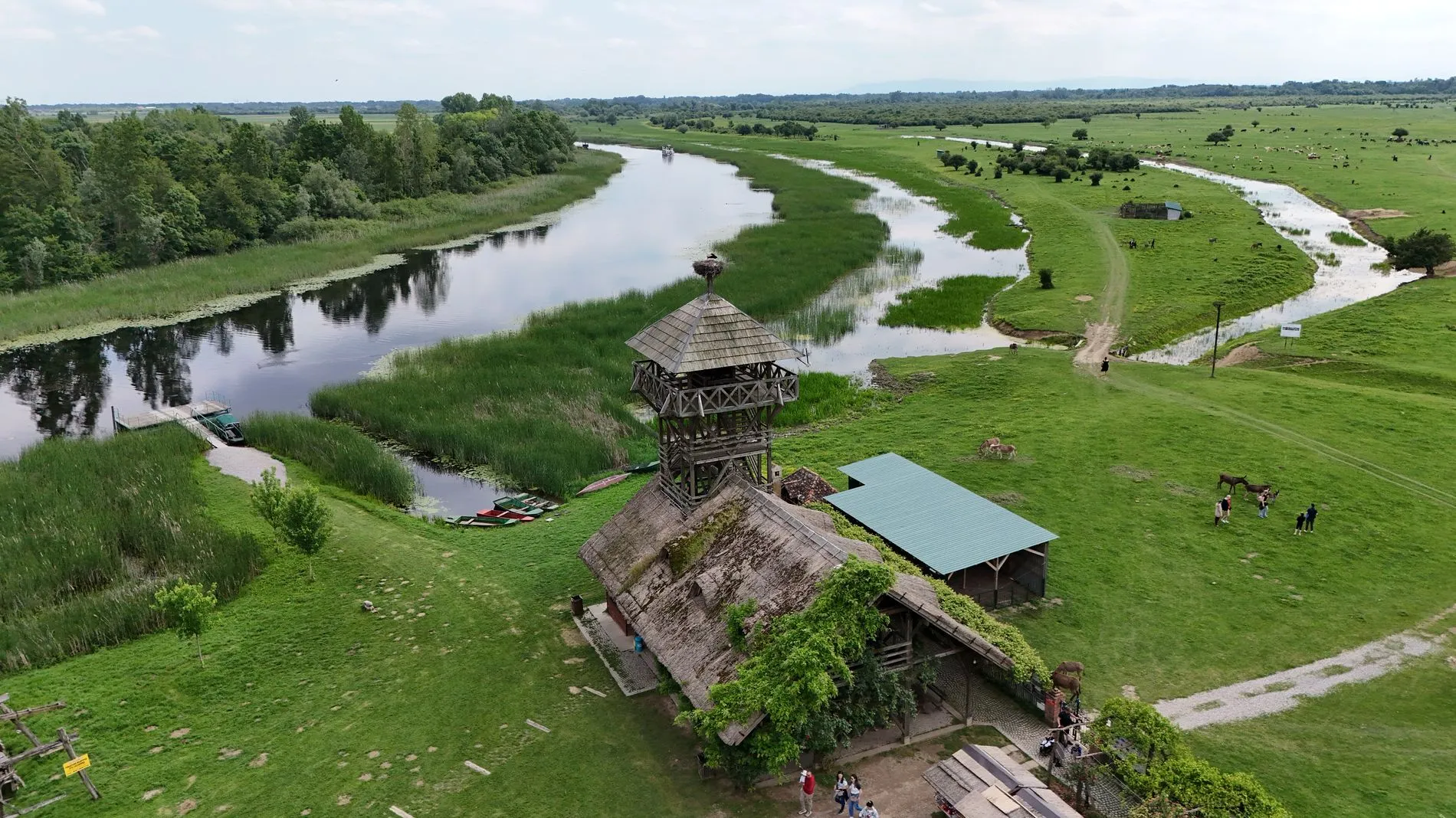
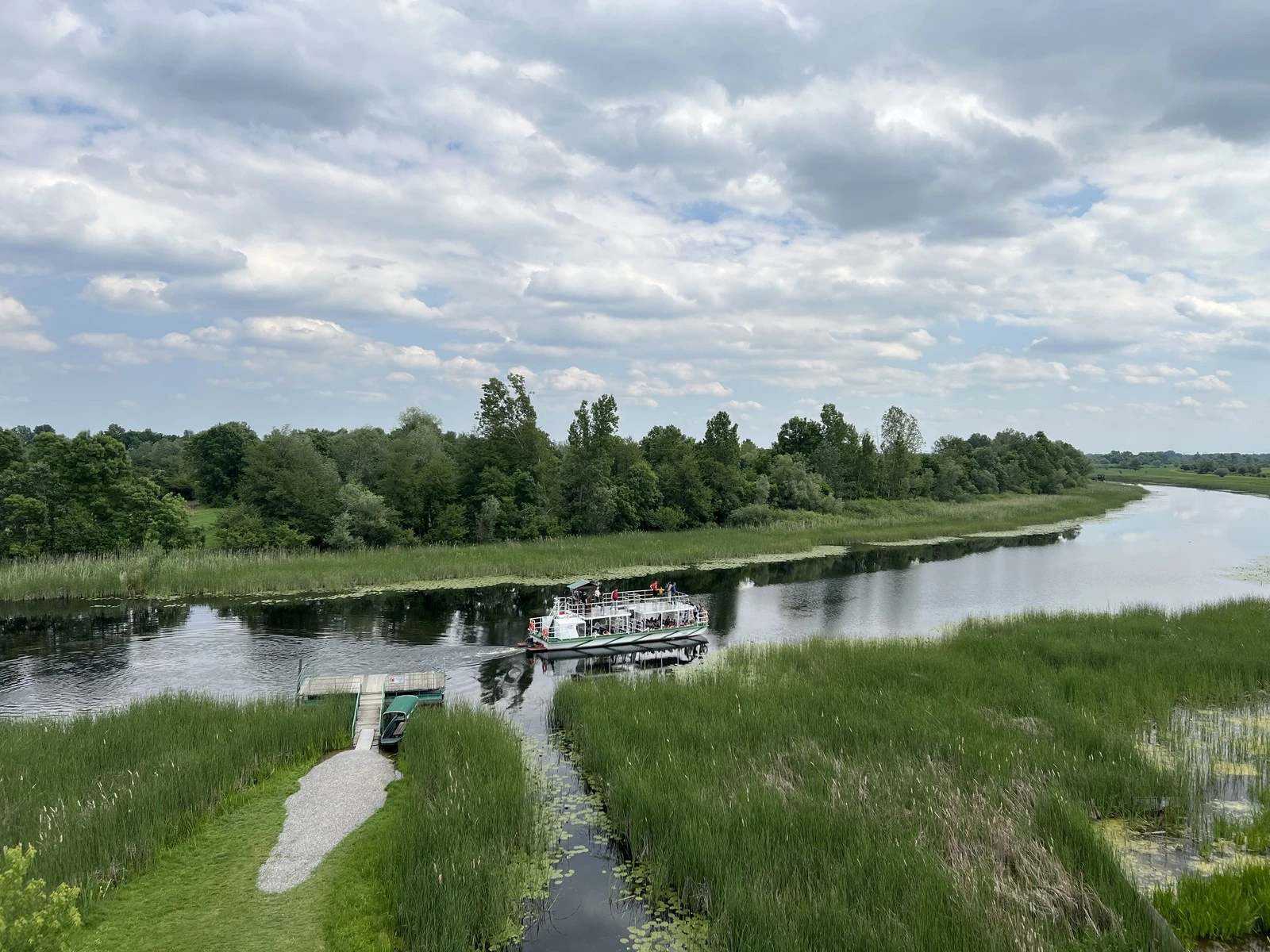
The Zasavica Special Nature Reserve is one of the most important protected wetland areas in Serbia, known for its rich flora and fauna, as well as rare plant and animal species.

Invertebrates of the Special Nature Reserve of Zasavica Lake
The Hidden World of Zasavica: From Algae to the Endemic Cricket and Rare Insects of the Pannonian Plain
The Zasavica Special Nature Reserve boasts an exceptional biodiversity of aquatic organisms, with 234 phytoplankton taxa and numerous invertebrates that serve as bioindicators of water quality. The conservation of these ecosystems is crucial because many habitats have disappeared due to the drainage of wetlands and the conversion of meadows into arable land, while Zasavica remains a unique oasis for endangered species.

Invertebrates
of the
Special
Nature Reserve
Bara Zasavica
The diversity of phytoplankton includes 234 taxa, with the presence of the alga Batrachospermum being particularly noteworthy in sections of the watercourse where there are strong Drina springs and stronger water currents, such as the Batara tributary.
The characteristics of Zasavica determine that this aquatic ecosystem is inhabited by numerous invertebrates, among which the presence of the following stands out: freshwater sponge (Spongilla lacustris) and jellyfish (Craspedacustra sowerbii), oligochaetes (Rynchelmnis limnosela) and many species of planarians. All of the aforementioned organisms are good bioindicators of water quality.
Out of a total of 220 zooplankton taxa, 21 taxa are new and the first findings for the fauna of Serbia (e.g., Collurella geophila, Collotheca ornata cornuta, Lecana elongata, Lepadella apsida, Squatinella bifurca bifurca, Ptygura forcillata, Monommata appendiculata, etc.).
Out of the numerous insects (a total of 250 taxa), 15 of them are protected as natural rarities.
During entomological research conducted in the Zasavica Special Nature Reserve, a number of rare species of ground beetles and several endemic species to the Balkan Peninsula were found.
A total of 35 species of longhorn beetles have been recorded in the Zasavica Special Nature Reserve. Out of the total number, six species are rarely encountered in our country: Stenopterus similatus, Lampropterus femoratus, Cyrtoclytus capra, Pilemia tigrina, Agapanthia cynarae and Agapanthiola leucaspis. Two species are endemic to the Balkan Peninsula: Stenopterus similatus and Agapanthia cynarae, as well as two species: Cerambyx cerdo ssp. cerdo and Morinus funereus, are species protected as natural rarities of Serbia and at the international level.
During field research in the thickets along the Zasavica River, an endemic cricket with the scientific name Zeuneriana amplipennis (Br.W.) was discovered.
This species was described in 1882 based on specimens found in marshy areas along the Sava River near Zemun and Belgrade. The following year, in 1883, Josif Pančić found it near Makiš. Later, in the period from 1900 to 1951, various domestic and foreign researchers found it along the Sava and Danube Rivers, as well as in Banat. Since 1960, the endemic bush cricket has been found in almost all marshy areas of the lower Sava River (Obedska Bara,Grabo-vačke forests, Zabreške meadows, Makiš, etc.) then in the Pančevački rit on the alluvial plain of the Danube. This endemic bush cricket is obviously characteristic only of wetland habitats in the southernmost part of the Pannonian Plain and represents an endemic species in Serbia. In the alluvial plains of the Sava, Danube, Tisza and their tributaries in the southern part of the Pannonian Plain, there used to be extensive wetlands. With the drainage of these wetlands and the diversion of mesophilic meadows into cultivated land (arable land) has led to the disappearance of many habitats of this species. Its typical habitats are thickets and grassy meadows of a mesophilic character, which means that they have a hydrological seasonal dynamic and surface waters of an ephemeral (periodic) character. In all the studied habitats, the endemic bush cricket had a low abundance. The sites in Zasavica are also the westernmost occurrences of this species in Serbia.