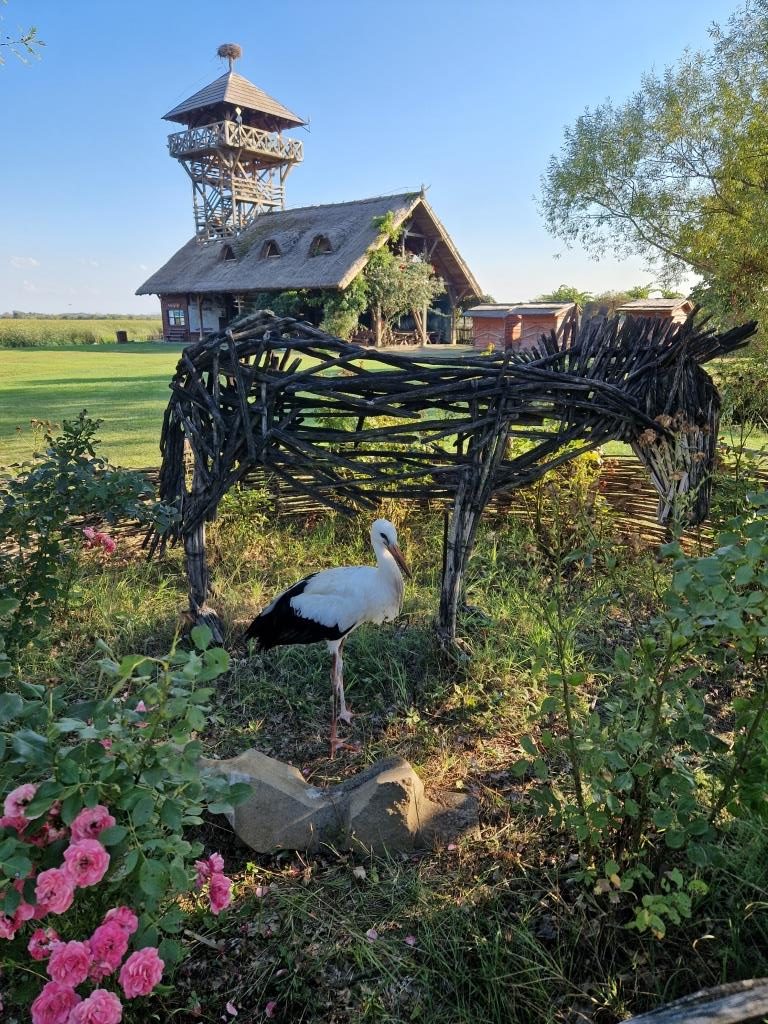
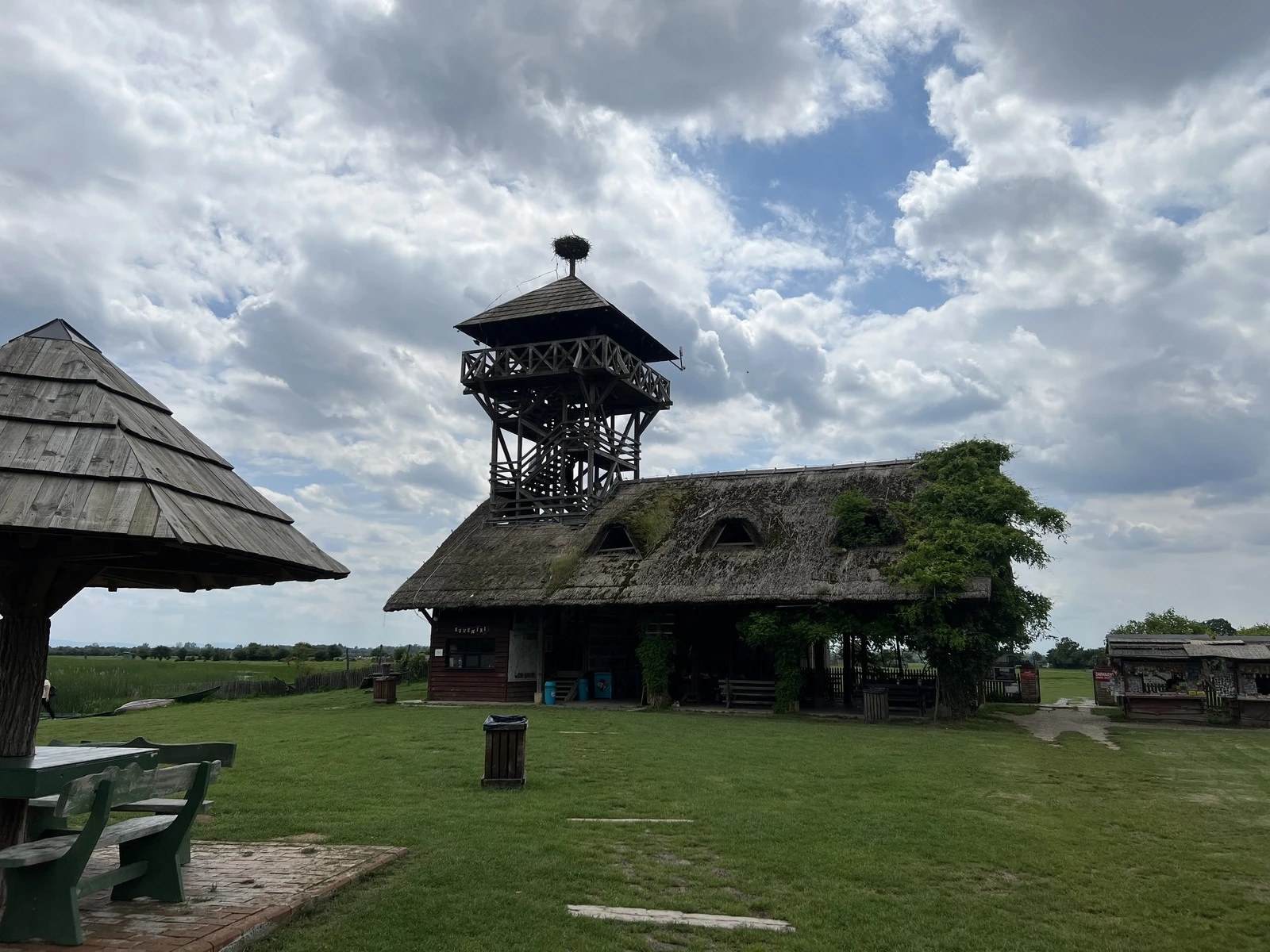
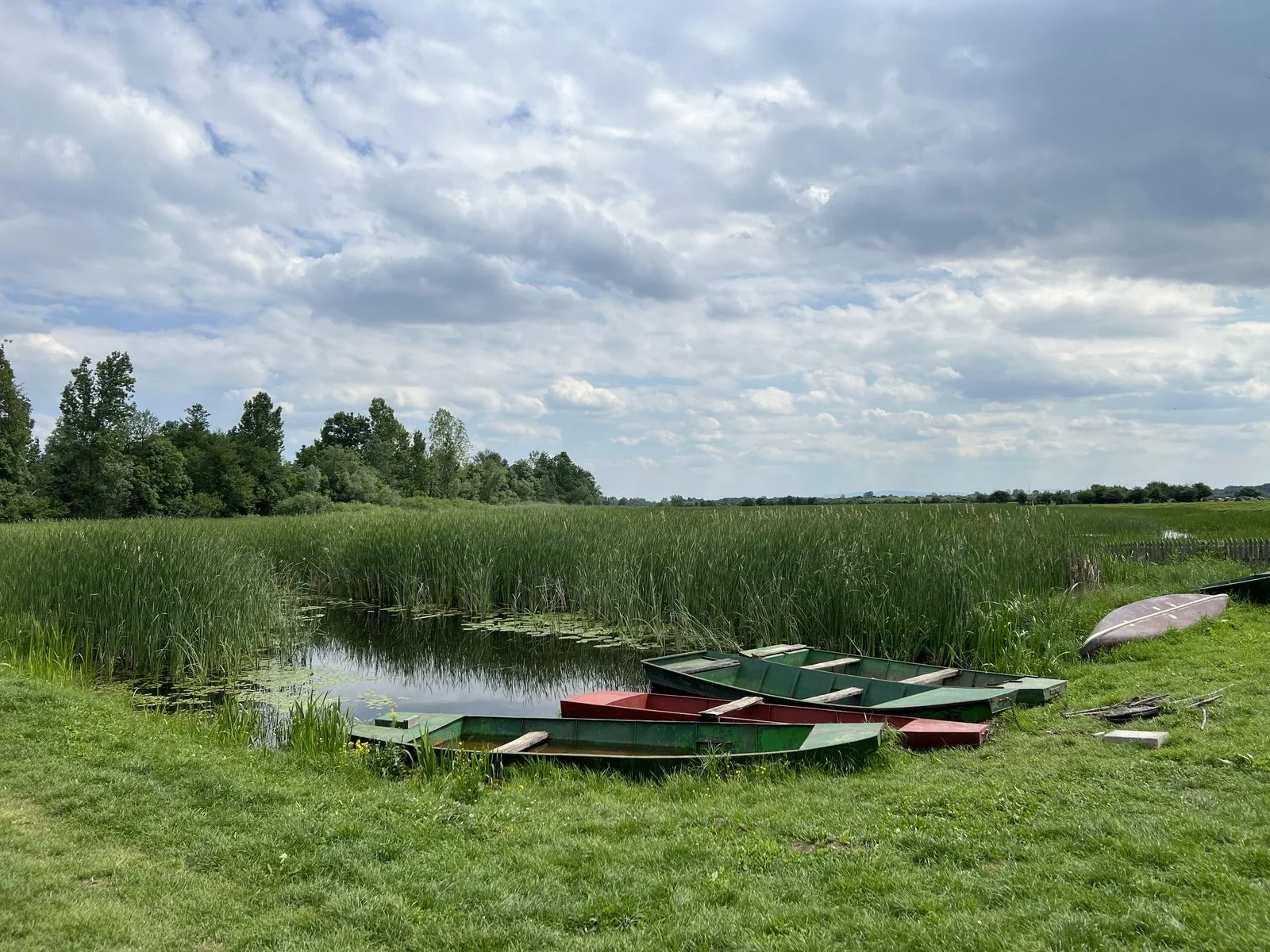
The Zasavica Special Nature Reserve is one of the most important protected wetland areas in Serbia, known for its rich flora and fauna, as well as rare plant and animal species.


Analysis of donkey milk
from the Special Nature Reserve of Bara Zasavica
Donkey milk: An ancient elixir of health and beauty from the pastures of Zasavica
Donkey milk has been valued since ancient times for its medicinal and cosmetic properties – from Hippocrates’ recipes to Cleopatra’s baths. Rich in vitamins, enzymes, and omega fatty acids, this milk strengthens the immune system, promotes skin regeneration, and helps with numerous health issues. Today, it is being rediscovered as a natural ally for health and beauty, similar to breast milk and suitable for all ages.

Donkey Milk
from the
Special
Nature
Reserve
Bara Zasavica
Historical overview
Forgotten in recent times, but used in the olden days, donkey milk is slowly making its way back. According to Konstantin Jireček and his History of the Serbs, as well as the Hodos Miscellany from the 14th century and the Physiologus from the 15th century, donkey milk has been used in this region since ancient times. It was used as a remedy for old wounds.
Ancient peoples held donkey milk in high esteem. It is well known that the Egyptian Queen Cleopatra bathed in it to preserve the beauty of her skin, and it was also used as a kind of disinfectant. The Greeks considered it an excellent remedy, and the Romans considered it a luxurious beverage. Hippocrates recommended it for various types of illnesses, as well as for poisoning and wounds. He also recorded a recipe for one of the first acne treatments androsacea. In addition to other ingredients, the base consisted of donkey milk. This mixture was then kept in the sun for several days. The resulting mixture served as a natural moisturizer and treatment for skin redness and acne. Many centuries later, this treatment was medically validated. In the 19th and early 20th centuries, many people used it as a medicine. At the same time, especially in Paris, many donkey milk shops were established wherewomen from higher social classes could purchase this precious beverage. Later, these stores turned into baby milk stores for mothers who were unable to breastfeed. For many years, the „Hospital des Enfants Assistes“ kept donkeys specifically for this purpose.
Contemporary analyses
Donkey milk has a revitalizing effect on the entire body. It is highly effective in eliminating skin problems, as well as in strengthening the immune system, aiding recovery, and combating chronic fatigue. Its ingredients are extremely beneficial for athletes, pregnant women, babies, and asthma sufferers. Donkey milk regenerates the intestinal flora. It is similar to breast milk, which is why the human body digests it very well.
Although it contains half as much fat as cow’s milk, it contains a significant amount of nutrients and is rich in vitamins C, B, and D12. It is exceptionally rich in immunoglobulins, which make it the perfect beverage for preventing and fighting off viral and bacterial invaders that are most common in winter: colds, bronchitis, etc.
Donkey milk can be consumed without the need for pasteurization, because, unlike cow’s milk, donkey milk does not contain any bacteria, is whiter and lighter than cow’s milk, and contains a lower percentage of fat. Donkey milk contains only 0.6 g of fat per 100 g of fresh milk, which is significantly less than the 3.7 g that cow’s milk contains on average. The protein content is what makes a significant difference compared to cow’s milk. The averageThe protein content is 1.72 g and is characterized by a low proportion of casein.
The fact that donkey milk is so similar to human milk is very significant, because its composition does not cause any allergies, unlike cow’s milk, which causes allergies in 4% of newborns, and these allergies are usually overcome only at the age of 3.
Donkey milk also contains 60 times more vitamin C than cow’s milk, and since it contains vitamins A, D, and E and is a rich source of calcium and phosphorus, it can be considered a nutritional gold mine. This milk also contains immunoglobulin – a protein that acts as an antibody and strengthens the immune system.
Donkey milk contains a large amount of enzymes, which makes it an excellent antibiotic.
Donkey milk is particularly beneficial for the following categories:
- children who are allergic to proteins found in traditional types of milk (goat, cow, etc.)
- children in general, because it enhances growth
- elderly individuals with osteoporosis
- quick recovery
- those who eat healthily and naturally
Omega-3, Omega-6
For donkey milk, the lipid fraction represents a high level of essential fatty acids. Fatty acids are classified as essential because the body produces them in small quantities, if it is able to produce them at all, and therefore the required amount must be provided from the daily diet in the form of a suitable substitute.
Linoleic (omega-6) and linolenic (omega-3) acids are present in significant amounts (8.15% and 6.32%) of the total fatty acids. The presence of semi-saturated fatty acids makes donkey milk superior to cow’s milk (only 2.9% of total fatty acids) and makes it more similar to breast milk (11.3% of total fatty acids).
Essential fatty acids have a very significant impact on the development of the brain and retina. Omega-3 fatty acids play a major role in protecting the heart, as they contribute to correcting the functioning of the cardiovascular system, help fight thrombosis, regulate heart rhythm, and promote the prevention of heart problems. Some recent studies suggest that fatty acids are also beneficial in combating the causes of Alzheimer’s disease, as well as sometypes of cancer. Omega-6 fatty acids are very important for cosmetics.
In addition to unsaturated fatty acids, donkey milk also contains a large number of vitamins:
- Vitamin A– Important for restoring the cell membrane, it allows the skin to regenerate while simultaneously reducing the effects of skin aging.
- Vitamin B2– the deficiency of which can lead to injuries to the skin and mucous membranes, so that its presence in milk, through biological activity, can significantly improve resistance
- Vitamin CIt has an antioxidant role and is highly sought after in cosmetics; it slows down the aging process and accelerates healing mechanisms.
- VITAMIN Eis known as an essential and antioxidant nutrient because it slows down skin aging and ensures the stability of cell structure.
The mineral salts in donkey milk help keep the skin clean. They remove dead cells from the skin, thus making room for the cells that live on the skin’s surface. Milk also promotes cell growth. It contains a significant amount of lipids that nourish the skin. Essential fatty acids such as omega-6 help the skin to better absorb vitamins. They allow the skin to become elastic andprovide prevention for skin diseases such as eczema and psoriasis.
Press clippings about donkey milk
Donkey milk has been hailed as the secret to the long life of a family from Ecuador. But is there any scientific evidence to support the claim that this milk is the most similar to human milk? The longevity of the world’s oldest woman, Maria Esther de Capovilla from Ecuador, was enthusiastically embraced by nutritionists. María de Capovilla died at the age of 116. Olivier Deniz, from a Belgian donkey farm, said that he wassurprised by this admission. Mr. Deniz owns the most productive donkey milk dairy in Europe, which yields 2,000-3,000 liters of milk every year. Half of the production goes into the manufacture of cosmetic products. The remainder is used for consumption, without the need for pasteurization. There is no need, says Deniz, as, unlike cow’s milk, donkey milk does not contain any bacteria. Mr. Deniz described it as whiter and lighter than cow’s milk,with a lower fat content.
Excerpt From
Science & Nutrition
September 1, 2006