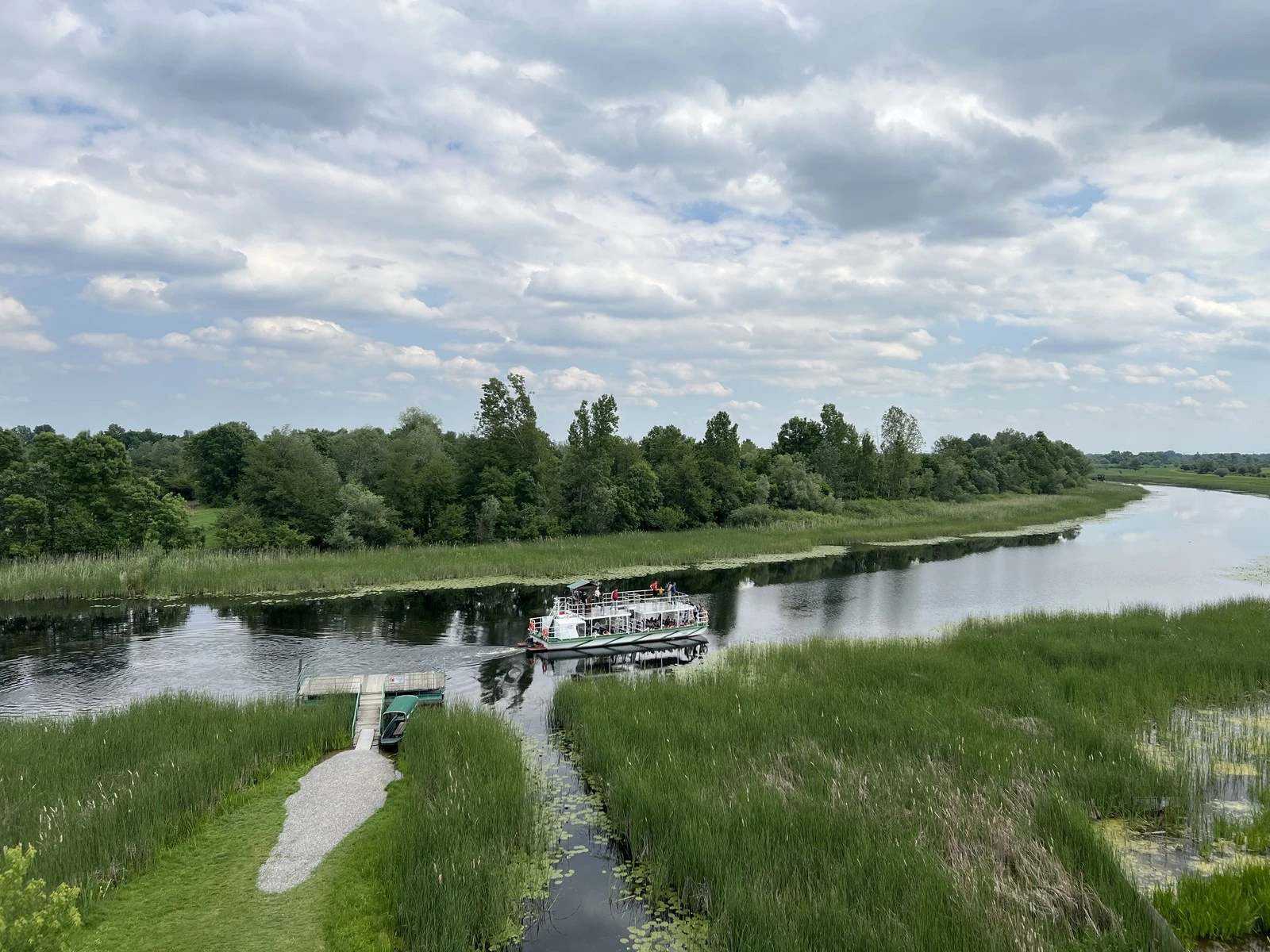
The Zasavica Special Nature Reserve is one of the most important protected wetland areas in Serbia, known for its rich flora and fauna, as well as rare plant and animal species.

Get to know the invasive goldenrod plant

If you go for a walk in the Ljubljana marshes at the end of summer, you can’t miss the tall plant with bright yellow flowers that cover abandoned meadows and fields, as well as uncultivated areas along roads and ditches. It’s goldenrod! Not the native goldenrod (Solidago virgaurea), which grows in bright forests, clearings, and along forest edges throughout Slovenia. These are the non-native goldenrods (Solidagocanadensis) and giant goldenrod (Solidago gigantea), the two most invasive plants in the Ljubljana Marshes area and throughout Central Europe. They also cause problems in other parts of Europe, in most parts of Asia, in Australia and in New Zealand. Both species are native to North America. The Canada goldenrod is one of the first ornamental plants brought from North America to Europe. In Britain, it is known assince the 17th century and spread to most of Europe in the 19th century. It used to be planted in botanical gardens, parks, and gardens, from where it spread into the wild.

Photo: Ivan Sučić
Our ancestors used European goldenrod as a remedy to alleviate urinary system problems and to heal wounds. The two foreign species of goldenrod contain the same active substances, but unfortunately, they have a destructive effect on biodiversity and habitats. They spread densely, which prevents the growth of native plants, making habitats unsuitable for many animal species. It has been found that in areasareas overgrown with goldenrod have fewer ants, which has a negative impact on the butterflies that depend on them. The dense-flowered and tall goldenrod spread rapidly, with a single plant producing thousands of seeds that are carried by the wind or spread through vegetative propagation via underground stems. They grow particularly rapidly in degraded areas and abandoned agricultural lands, which native species colonize more slowly. PoorCleaned machines are one of the ways in which Canadian goldenrod seeds spread to such areas, and they often spread through soil brought in from other areas for the purpose of backfilling surfaces where the seeds and roots are already present. Their distinctive feature lies in the fact that their roots produce substances that impede the growth of other plants and hinder their successful development. This reduces the biological diversity of other plants andorganisms that depend on them. Due to the substances they release, the soil becomes less suitable for agricultural production.
Regular mowing prevents the spread of goldenrod in meadows. However, reducing the frequency of mowing to conserve species threatened by early mowing or mowing during certain seasons can cause problems.
The goldenrod and the giant goldenrod bloom from July to September, when most native plants have already withered, which is why beekeepers love them. Where they grow, they are an important food source for bees, allowing bee colonies to conserve their strength and enabling the development of winter bees.
Photo: Barbara Vidmar

Photo: Barbara Vidmar

Photo: Barbara Vidmar

Photo: Ivan Sučić