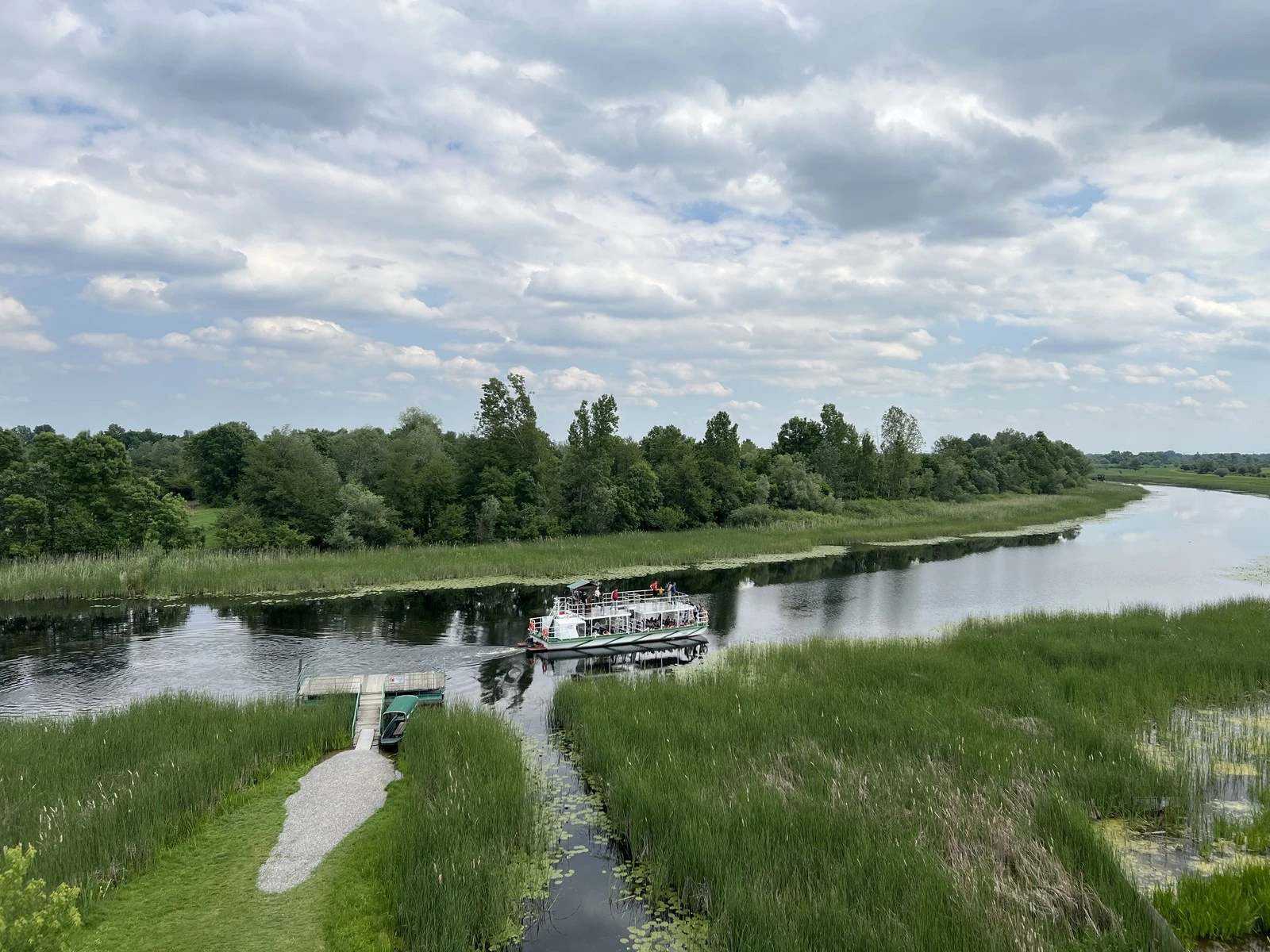
The Zasavica Special Nature Reserve is one of the most important protected wetland areas in Serbia, known for its rich flora and fauna, as well as rare plant and animal species.

6th Meeting of the Sava TIES Project Partners

From October 5 to 7, despite the global pandemic caused by the coronavirus, a meeting of project partners and members of the SavaParks network, consisting of about 20 members from 13 different institutions and 5 countries, was successfully held. The meeting was held via a virtual platform, and the participants were happy that they could at least gather in this “new normal” way to exchange information and experiences.
For the purpose of professional development of the Network members, a training session on the development of communication and negotiation skills was held, which was very useful for improving the Network’s further work related to nature conservation issues. Participants were also presented with examples of good practices in managing invasive species in Croatia and Serbia. Petra Kutleša, Head of the Department for Alien Species at the Institute for Environmental Protectionfor the Environment and Nature at the Ministry of Economy and Sustainable Development, presented projects on invasive species co-financed by European funds that her institution is implementing in Croatia. She presented the first Croatian national database on alien and invasive alien species. She also announced the launch of the „Life CONTRA Alianthus“ project, which will focus on the eradication of the tree of heaven (Alianthusaltissima). Tree of heaven is an invasive alien plant that, through its rapid spread and overgrowth of areas, causes problems for farmers, transportation infrastructure, the nature conservation sector, and local residents – Petra pointed out. From a neighboring country, Goran Tmušić, an employee of the Laboratory for Invasive and Allergenic Plants at the Faculty of Sciences in Novi Sad, Serbia, presented the successful collaborationscientists and local authorities to remove ragweed and other allergenic plants in the Vojvodina region.
The project partners presented the pilot measures implemented in protected areas this year and outlined the financial framework of the costs incurred so far in the methods of removing invasive plants. This important data will be presented in the publicly available document „Cross-Sectoral Guidelines for the Management, Control and Eradication of Invasive Alien Species in the Sava River Basin“. The preparation of an analysis of the legislative frameworks has begun.related to the management of invasive alien species in the countries of the Sava River Basin. The results and recommendations of the analysis, which will also include the experiences of the Sava TIES project, will be presented next year to decision-makers at the national and regional levels with the aim of eventually incorporating them into legislation. These results and recommendations will be intended for the sectors of nature conservation, agriculture, forestry, and thewater, and they will be available to the general public.
Although held virtually, this meeting proved to be very useful for the exchange of information among partners and members of the SavaParks network and for cross-sectoral networking.
